

Grounding & Coping Techniques
Grounding and coping strategies can help regulate the nervous system during moments of stress, anxiety, overwhelm, or emotional activation. These techniques are designed to gently bring your attention back to the present moment and restore a sense of steadiness and control.
These exercises can be practised daily or used during moments of heightened distress.
Reminder:
Grounding techniques are tools — not solutions to eliminate distress entirely. If you find that anxiety, trauma responses, or emotional overwhelm persist, therapy can provide structured support tailored to your needs.
Techniques
-
This exercise uses your senses to anchor you in the present moment.
When you notice anxiety rising, pause and slowly identify:
5 things you can see
Look around you and name five visible objects. Notice colours, shapes, or details.4 things you can feel
Notice physical sensations — your feet on the floor, your back against a chair, the texture of your clothing, or the temperature of the air.3 things you can hear
Identify nearby or distant sounds — a clock ticking, traffic, voices, or the hum of a computer.2 things you can smell
If no distinct scent is present, simply notice the neutral scent of the room.1 thing you can taste
Notice the taste in your mouth or take a sip of water and focus on it intentionally.Move slowly through each step. The goal is not perfection, but gently shifting your focus away from racing thoughts and back to the present.
-
Box breathing is a structured breathing technique that helps calm the nervous system and reduce physiological stress.
Imagine tracing the four sides of a square as you breathe:
Inhale slowly for 4 counts
Hold your breath for 4 counts
Exhale slowly for 4 counts
Hold again for 4 counts
Repeat this cycle for 1–3 minutes.
Keep your breaths slow, steady, and controlled. If four counts feels too long or too short, adjust the timing while keeping the structure equal on all sides.
This technique is especially helpful for:
Panic symptoms
Racing thoughts
Pre-performance anxiety
Emotional overwhelm
-
Progressive Muscle Relaxation helps release physical tension that often builds up during stress or anxiety.
Find a comfortable seated or lying position.
Starting at your feet, gently tense the muscles in that area for about 5 seconds.
Slowly release the tension and notice the sensation of relaxation for 10–15 seconds.
Move gradually up your body (calves, thighs, abdomen, hands, arms, shoulders, jaw, forehead), repeating the same pattern:
Tense
Hold
Release
Notice the difference
Avoid tensing to the point of pain. The goal is awareness and gentle release.
This exercise helps:
Reduce physical tension
Increase body awareness
Support sleep
Calm anxiety
Reading Recommendation
-
![]()
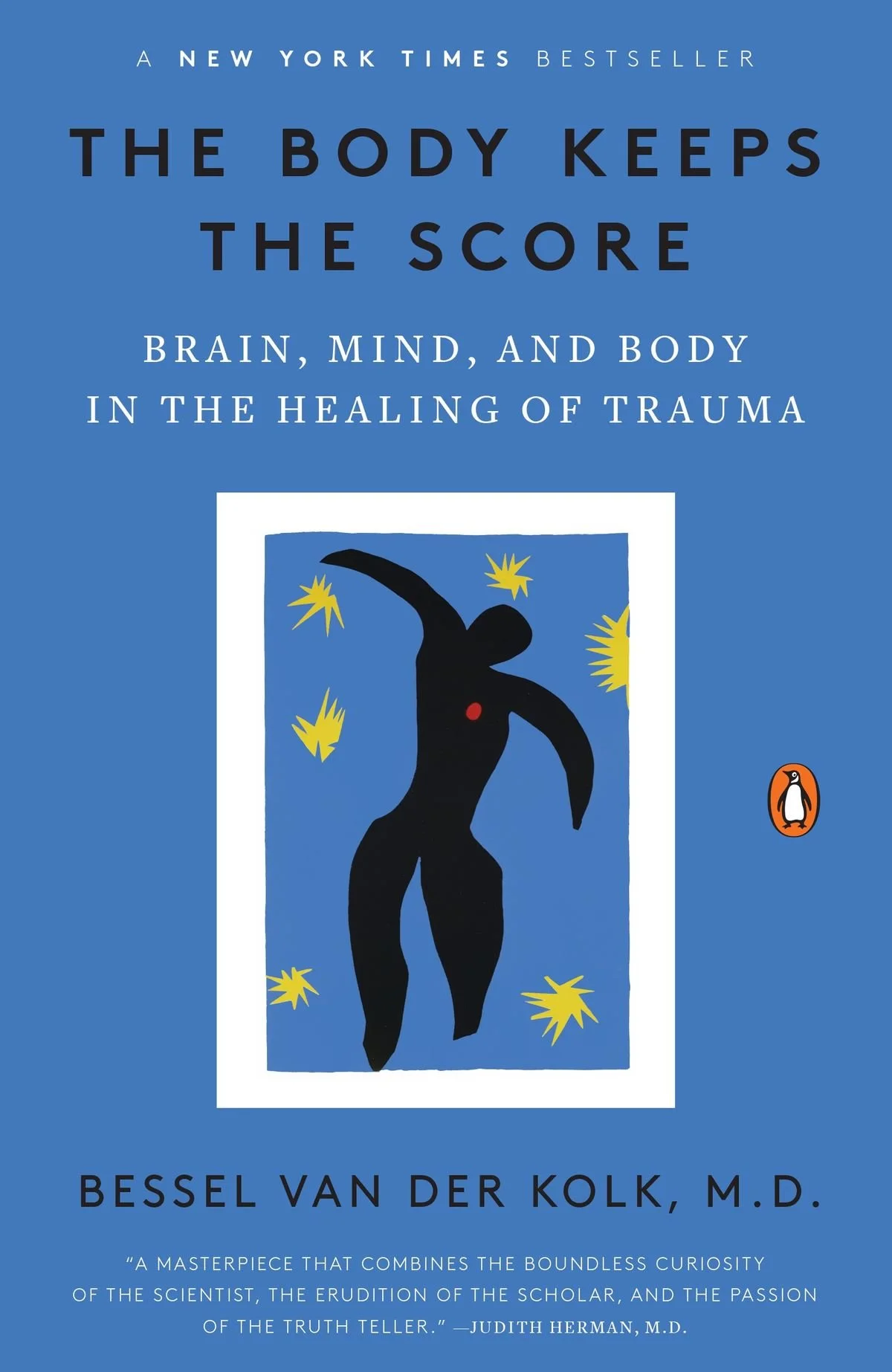
THE BODY KEEPS THE SCORE
This book explores how trauma impacts the brain, body, and nervous system, and how healing involves more than just talking about painful experiences. Drawing on decades of research and clinical experience, Bessel van der Kolk explains how trauma can shape memory, emotions, relationships, and physical health — often in ways people do not immediately recognize.
The book introduces a range of evidence-based treatments, including mindfulness, EMDR, neurofeedback, and body-based therapies, that support trauma recovery and nervous system regulation.
This book may be helpful for:
Individuals seeking to understand the long-term effects of trauma
Clients working through PTSD or complex trauma
Those who notice physical or emotional responses that feel “automatic” or difficult to control
Anyone interested in the connection between the brain, body, and healing
It is educational and research-informed, though parts may feel intense for some readers. Reading alongside therapy can be especially supportive.
-
![]()
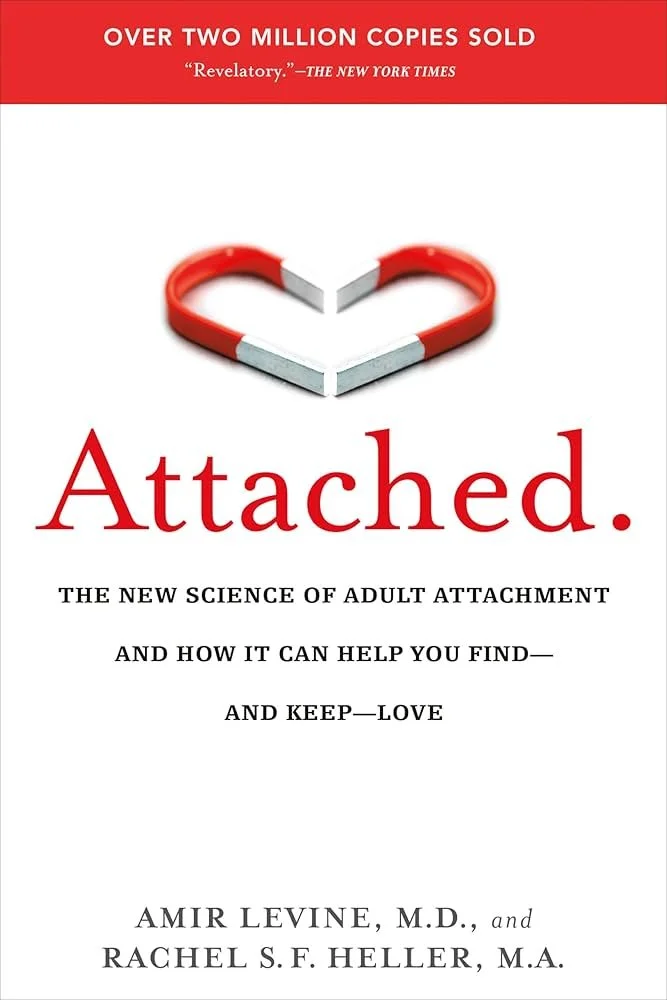
ATTACHED
Attached introduces the concept of adult attachment styles and how they influence romantic relationships. The authors describe three primary attachment styles — secure, anxious, and avoidant — and explain how these patterns shape communication, emotional needs, and relationship dynamics.
Through relatable examples and practical guidance, the book helps readers better understand their relational tendencies and how to build healthier, more secure partnerships.
This book may be helpful for:
Individuals who notice recurring relationship patterns
People navigating dating or long-term partnerships
Those wanting to understand emotional closeness and conflict dynamics
Couples working to improve communication and connection
It is accessible, practical, and especially helpful for those interested in understanding how attachment impacts intimacy.
-
![]()
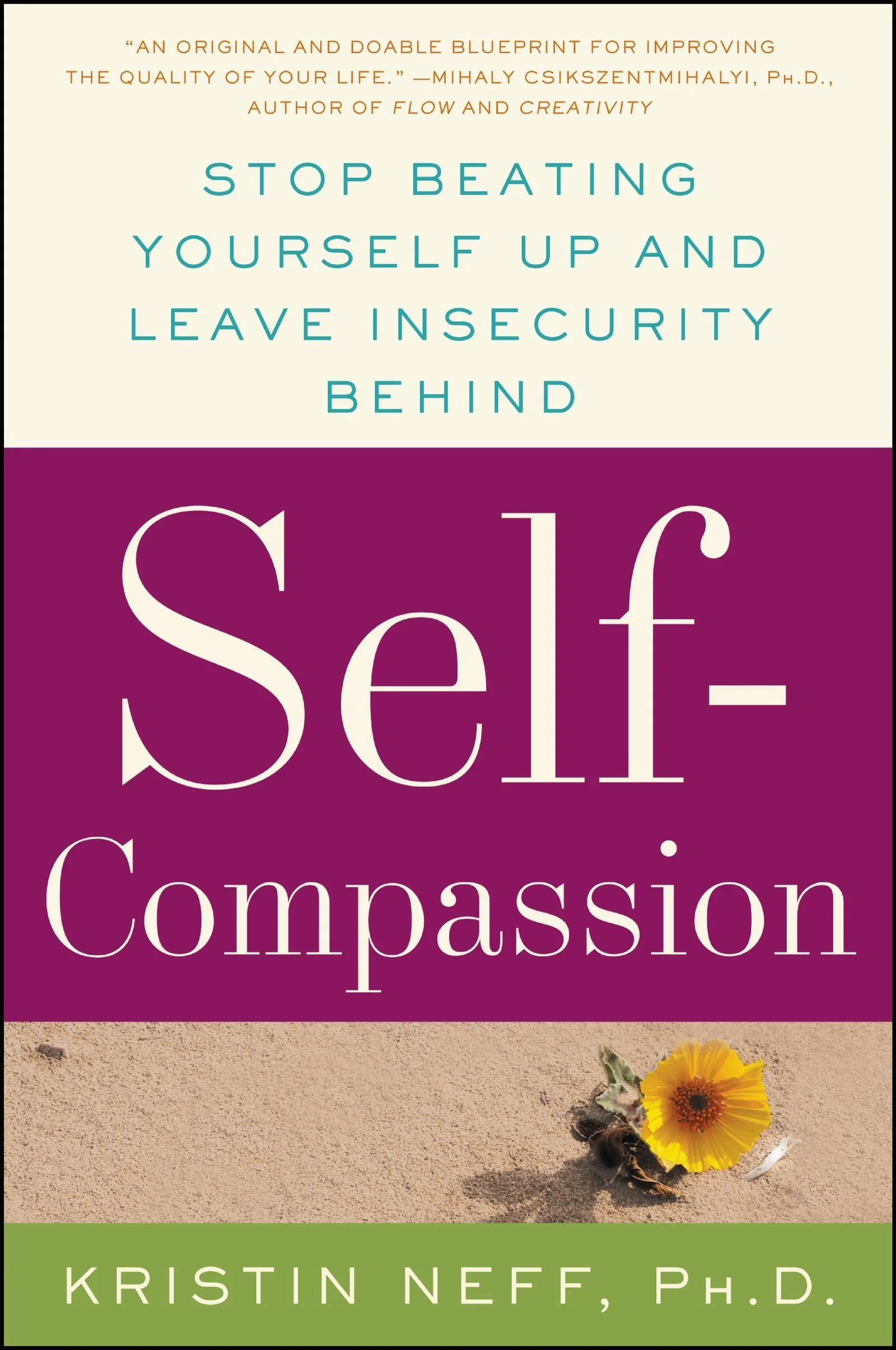
Self-Compassion
In this book, Kristin Neff introduces the concept of self-compassion as a healthier alternative to harsh self-criticism. Rather than pushing ourselves through shame or perfectionism, self-compassion encourages kindness toward ourselves during moments of difficulty.
The book combines research, reflective exercises, and real-life examples to help readers cultivate emotional resilience, self-acceptance, and inner balance.
This book may be helpful for:
Individuals struggling with self-criticism or perfectionism
Those experiencing anxiety, burnout, or feelings of inadequacy
Clients working on emotional regulation and self-worth
Anyone interested in building a more compassionate relationship with themselves
It includes practical exercises that can complement ongoing therapy work.
-
![]()
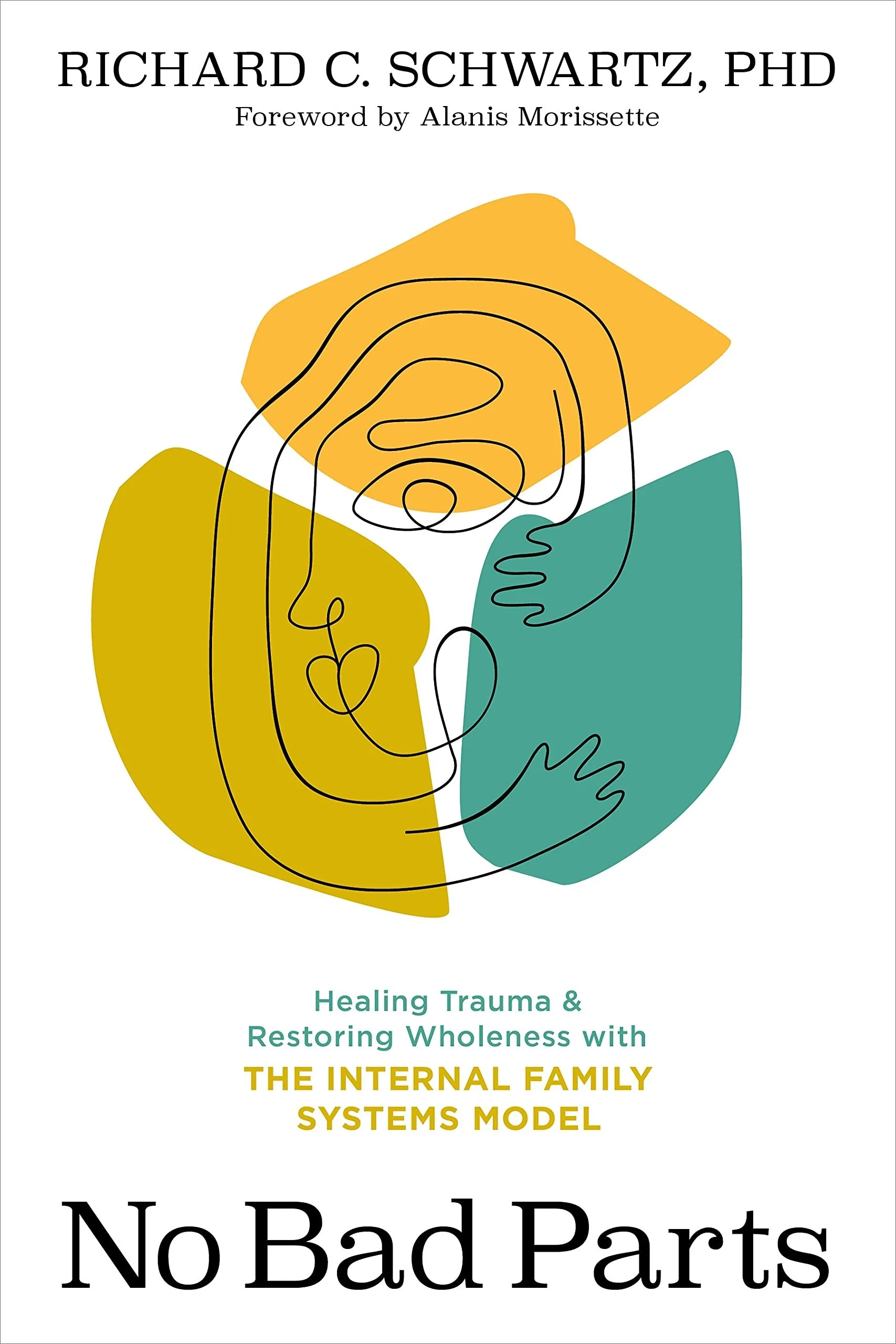
No Nad Parts
No Bad Parts introduces Internal Family Systems (IFS), a therapeutic model that views the mind as made up of different “parts,” each serving a protective role. Rather than seeing certain thoughts or behaviours as flaws, the book encourages understanding them as attempts to help — even when they cause distress.
Richard Schwartz explains how connecting with one’s core “Self” — the calm, compassionate center within — can support healing, integration, and personal growth.
This book may be helpful for:
Individuals who feel conflicted within themselves (e.g., “part of me wants this, part of me doesn’t
Clients experiencing shame, inner criticism, or emotional reactivity
Those interested in trauma-informed and parts-based therapy
Anyone seeking a compassionate framework for understanding their internal world
It is especially aligned with trauma-informed and relational therapy approaches.